For many children, some of their earliest and most vivid memories are formed not inside classrooms or playgrounds, but in places where families gather again and again. Sports fields, ballparks, and sidelines often become quiet witnesses to childhood unfolding in real time. These spaces shape memories in subtle ways, through routine, togetherness, and the freedom children find when they are simply allowed to exist within them.
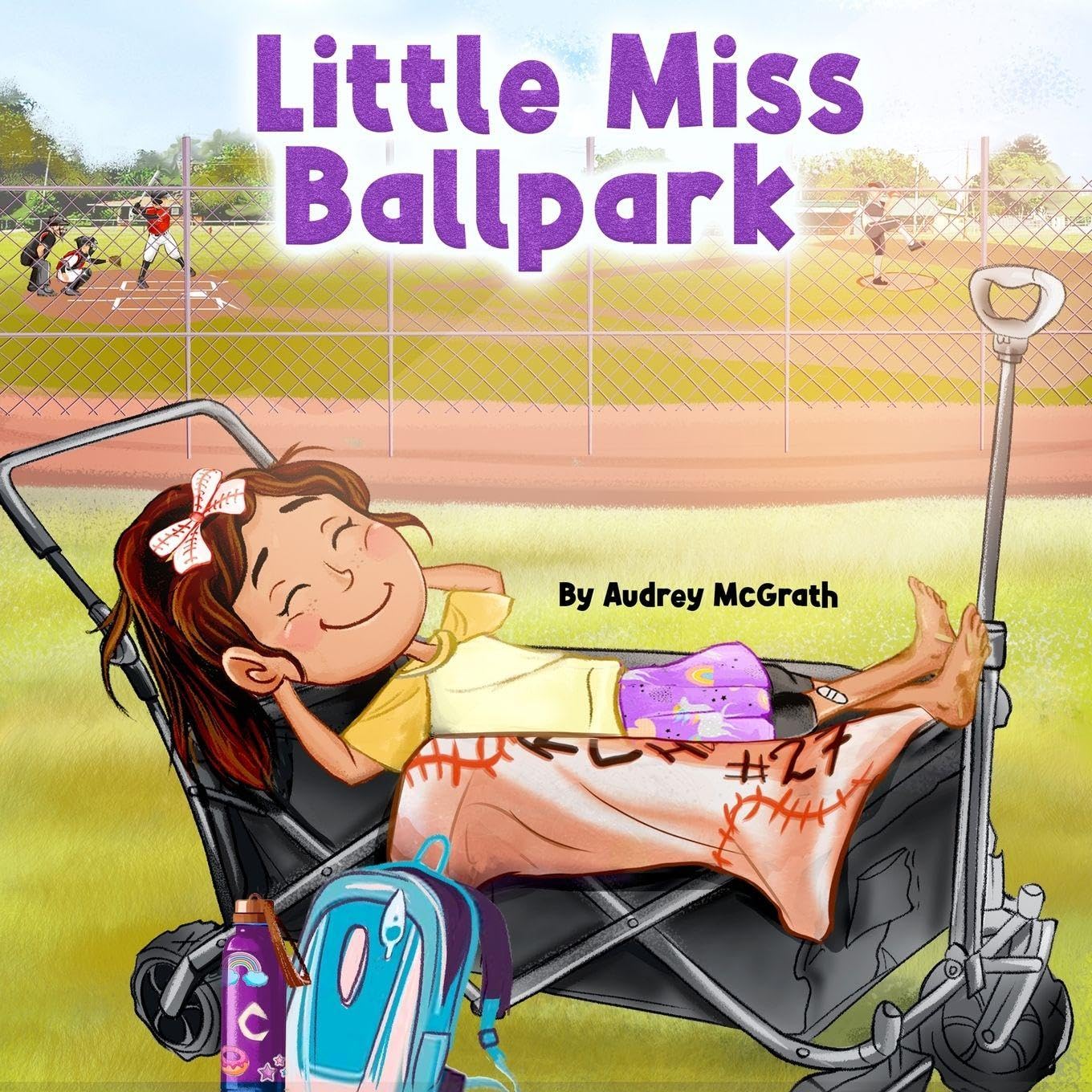
In Little Miss Ballpark by Audrey McGrath, the ballpark is more than just a setting. It becomes a familiar world where a child grows, observes, plays, and connects. The story gently reminds us that children experience sports environments very differently from adults. While grownups may focus on scores, schedules, and outcomes, children absorb the atmosphere. They notice the sounds, the colors, the long afternoons, and the comfort of seeing the same faces week after week.
Sports environments offer children a unique blend of structure and freedom. There is a schedule to follow, yet within that structure, children often create their own rhythms. They find ways to entertain themselves, make friends, and explore creativity. Sitting on the grass with coloring supplies, drawing with chalk, or inventing games with other kids at the field becomes part of the memory itself. These moments may seem small, but they are deeply formative.
What makes Little Miss Ballpark by Audrey McGrath resonate so strongly is how it validates these experiences. The book reflects the reality of many families where siblings play sports and younger children come along for the ride. Rather than framing this as an inconvenience, the story shows how these environments can feel safe, joyful, and full of opportunity for children to grow in their own way.
Over time, sports environments become woven into a child’s sense of belonging. Returning to the same field creates familiarity. Seeing the same teammates, parents, and children builds quiet relationships. Even casual interactions, sharing snacks, making bracelets, or playing nearby while games unfold, help children learn social confidence and cooperation. These repeated experiences shape how children understand community and connection.
Another powerful aspect of sports environments is how they teach children about presence rather than performance. In many cases, children are not invested in whether a game is won or lost. What matters more is the feeling of being together. A hug after the game, a smile, a simple question asking if they had fun, these are the moments that stay with them. Little Miss Ballpark captures this truth beautifully, showing that emotional support often matters more than results.
For parents, books like this offer a gentle reminder to slow down and notice what children are experiencing in these shared spaces. What feels like a long day to an adult may feel like a rich world of exploration to a child. Sports environments give children time to observe, imagine, and simply be themselves, without pressure to perform or achieve.
As children grow older, these memories often surface unexpectedly. The smell of grass, the sound of a bat hitting a ball, the feeling of warm evenings spent outdoors can all bring back a sense of comfort and belonging. Audrey McGrath has captured this emotional truth in Little Miss Ballpark, creating a story that feels familiar, reassuring, and deeply rooted in everyday family life.
Ultimately, sports environments shape childhood memories not through the game itself, but through the relationships, routines, and moments of connection that surround it. They remind us that childhood is built quietly, one ordinary day at a time, in places where love and presence matter most.